
INTRODUCTION
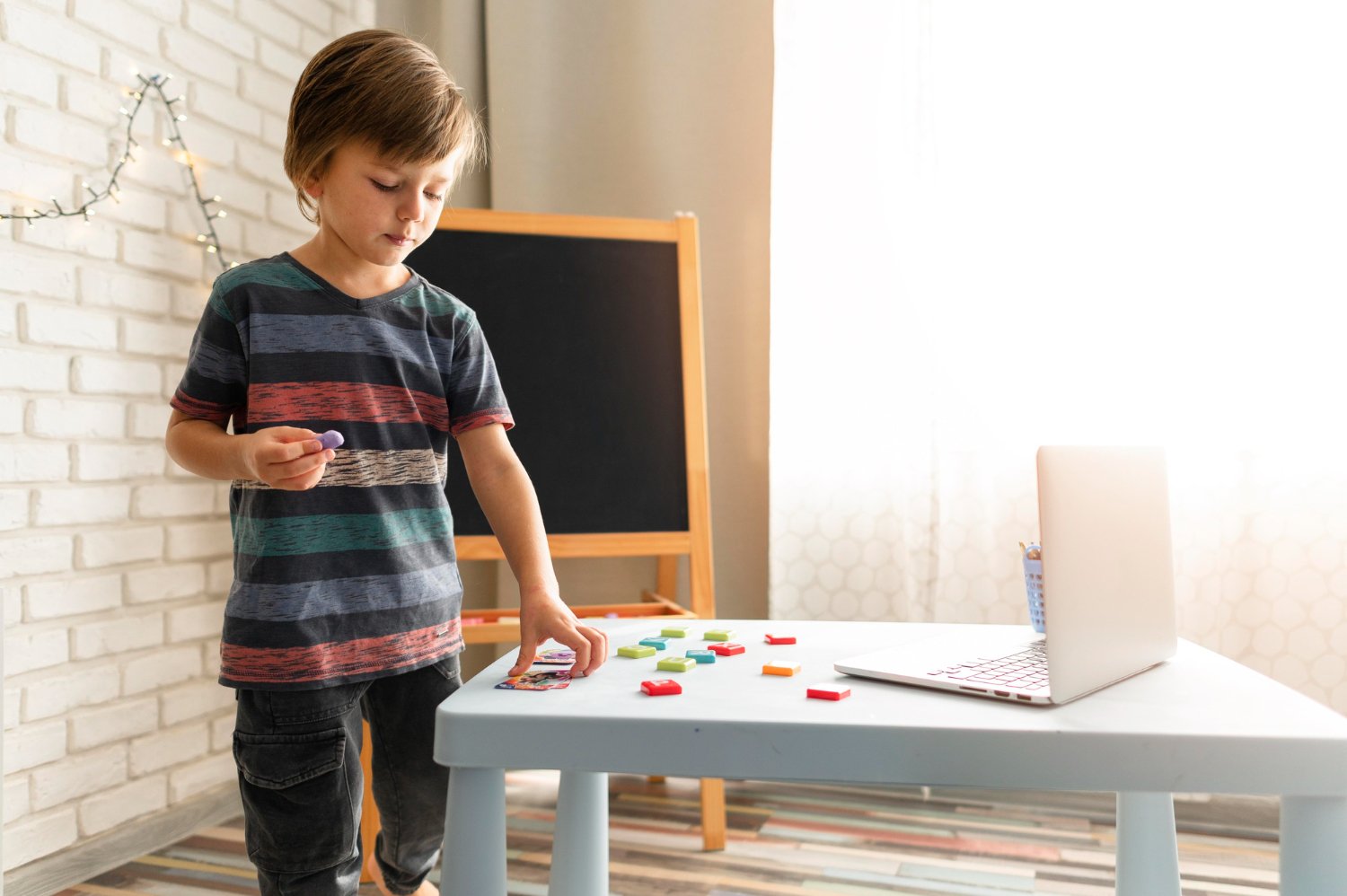
I was watching my son attempt to catch a beach ball last summer — arm out, timing completely off, the ball bouncing off his elbow — and something clicked for me that had nothing to do with catching a ball.
He wasn’t slow. He was untrained.
There’s a difference, and understanding it changed how I think about focus, attention, and the way we prepare kids (and honestly ourselves) for tasks that require mental sharpness. Reaction time isn’t a fixed trait. It’s a skill. And like any skill, it bends under the right kind of daily practice.
What Is Reaction Time Training — And Why Does It Actually Matter?
Reaction time training is exactly what it sounds like: deliberate practice designed to shorten the gap between a stimulus and a response. But here’s where most people misunderstand it — this isn’t just about speed. It’s about the accuracy and consistency of your response under pressure.
Think about the last time you were in a flow state. Totally absorbed. Responding to inputs without overthinking. That’s not luck — that’s a trained nervous system doing exactly what it’s been conditioned to do.
Researchers describe reaction time as a composite measurement: it includes perception time (how fast your brain registers the stimulus), decision time (how quickly you identify the right response), and motor time (how fast your body executes). Training all three is the goal — not just moving your hand faster.
For parents of children with ADHD or sensory processing differences, this distinction matters a lot. Many kids labeled as “slow” or “inattentive” aren’t lacking ability — they’re lacking reps. Their perception and decision layers haven’t been consistently trained. Once that training begins, the changes can be striking.
The Neuroscience Behind Faster, Sharper Responses
Here’s something that genuinely surprised me when I first read it: the human brain’s response circuits are remarkably plastic — meaning they can be reshaped with targeted practice at almost any age.
The key player is the anterior cingulate cortex (ACC), a region heavily involved in attentional control and conflict monitoring. Studies using neuroimaging show that repeated precision-timing tasks actually thicken the grey matter in this region over time. Essentially, the brain builds more infrastructure for faster, more accurate decision-making.
There’s also the role of myelination — the process by which neural pathways become insulated with a fatty sheath that speeds up signal transmission. Consistent, focused coordination tasks (especially those requiring fine motor timing) promote myelination in the pathways connecting your visual cortex, prefrontal cortex, and motor cortex. Translation: the brain learns to route signals faster.
For children, this is especially meaningful. The prefrontal cortex — the executive function hub responsible for impulse control, working memory, and sustained attention — doesn’t fully develop until the mid-twenties. But it does respond to training. Tasks that demand moment-to-moment self-regulation build exactly the neural scaffolding that ADHD and developmentally delayed children often need more of.
Who Benefits Most From Reaction Time Training?
The honest answer? Almost anyone. But a few groups see particularly meaningful gains:
Children with ADHD. The stop-and-start demands of precision timing tasks mirror the cognitive control demands that ADHD brains struggle with in academic settings. Short, intense practice sessions seem to create a “primed” attentional state that can carry over into focused work afterward — something parents often notice before they understand why it’s happening.
Kids with dyslexia or sensory processing differences. Many children with dyslexia also show impairments in rapid automatized naming and visual processing speed — both of which involve the same timing circuits targeted in reaction training. Improving visual response accuracy appears to have downstream effects on reading fluency, according to several longitudinal studies.
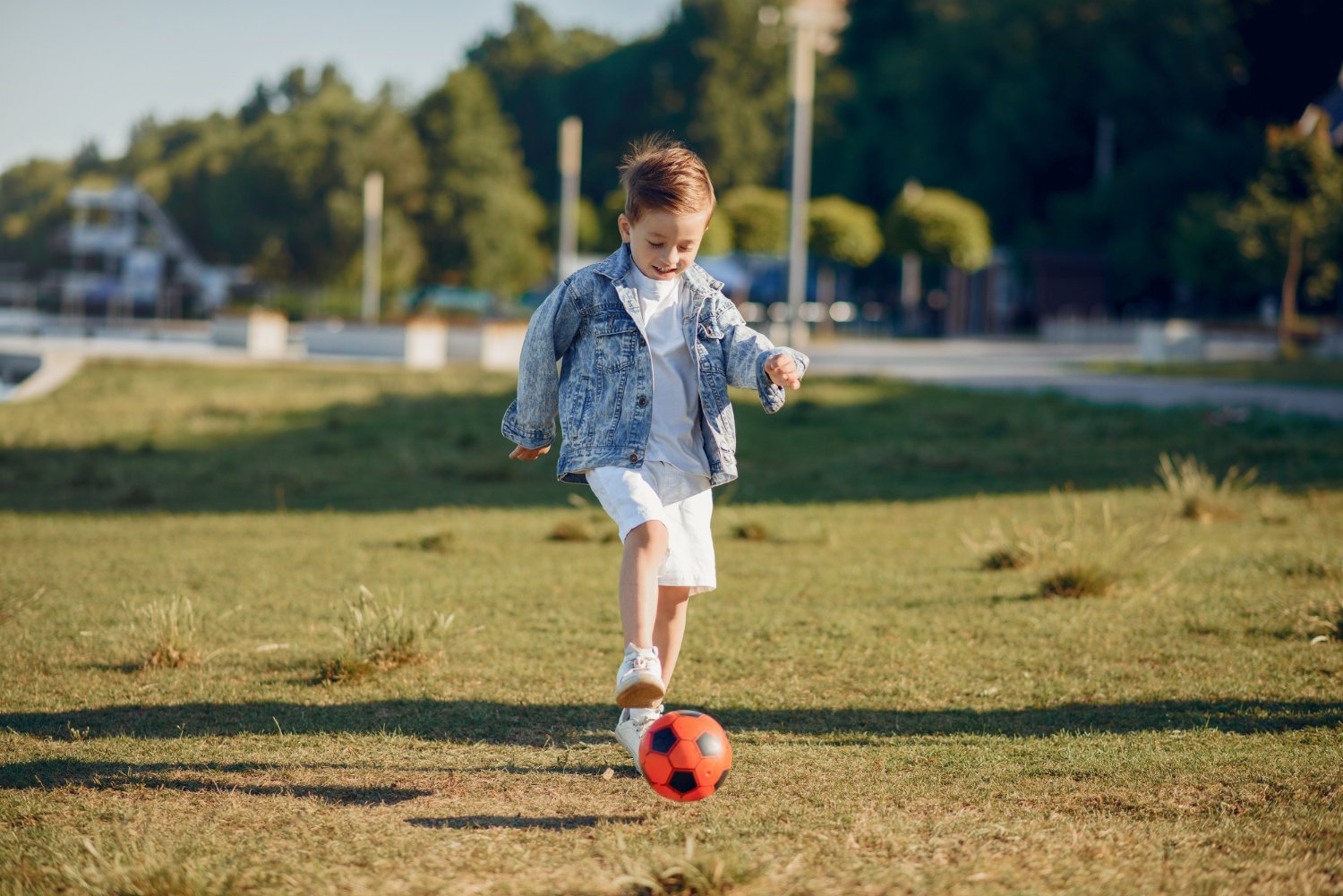
Athletes and competitive teens. Sports performance is, at its core, a series of rapid perceptual decisions. Tennis, football, basketball, cricket — all of them reward the player who processes information faster and converts it into precise movement. Structured reaction training is no longer just for elite pros; it’s accessible to any motivated teenager.
Adults with ADHD or focus difficulties. I’ll include myself here. The mental fog that descends after long work sessions, the inability to stay sharp during afternoon meetings — training your attentional reflexes doesn’t just improve response speed, it seems to sharpen the window during which you can maintain focused engagement.
A Daily Reaction Time Training Routine That Fits Real Life
No gym required. No expensive equipment. This is a practical, adaptable routine built around what the research supports and what I’ve seen actually work with families.
- Warm up with a visual tracking exercise (2 minutes). Hold a pen at arm’s length and move it slowly in a figure-eight pattern while tracking it with your eyes only — head stays still. This activates the oculomotor system and primes the visual-motor pathways. For kids who resist sitting still, have them follow a moving target (a slow-rolling ball, your finger) while bouncing gently on a cushion.
- Do 3–5 minutes of precision timing practice. This is the core. The goal is tasks that demand exactly timed responses — not just fast ones. Clapping to an irregular rhythm, catching a ball at specific moments, or using a digital tool that requires you to act at precise visual cues all qualify. In my work with families, I’ve found that activities requiring focused attention and quick responses — like certain coordination-based games — can help strengthen sustained attention and executive control. The practice of rapidly responding to visual cues while coordinating hand movements appears to engage the same executive function networks that support impulse regulation and task persistence in ADHD.
- Add a brief mindfulness reset (1 minute). This sounds soft, but it has solid research backing. A 60-second breathing pause between active training and the next task (homework, work, practice) helps the nervous system consolidate what it just experienced. Three slow breaths. Eyes closed. Works especially well for kids with sensory overload tendencies.
- Track something — anything (1 minute). You don’t need a lab. Ask your child: “How many perfect catches did you get?” or “Did that feel faster than yesterday?” Self-monitoring builds metacognition — the awareness of one’s own thinking process — which is itself a major executive function skill. Write it on a whiteboard, a sticky note, a phone note. Progress perceived is progress reinforced.
Total time: 7–10 minutes. That’s it. Consistency over intensity, every time.
What the Research Says About Focus and Response Speed
The link between reaction time and cognitive performance is one of the most replicated findings in attention research — and also one of the least talked about in parenting circles.
A landmark meta-analysis published in Psychological Bulletin found that processing speed — which overlaps heavily with reaction time — is one of the strongest predictors of academic achievement in children, more predictive than many commonly assessed skills. That’s not a small claim.
Studies from the Journal of Attention Disorders consistently show that children with ADHD demonstrate significantly longer and more variable reaction times compared to neurotypical peers — and critically, that variability (not just slowness) is what seems to most impact their day-to-day functioning. Training that targets consistency, not just speed, addresses the right problem.
There’s also emerging research on exercise-cognition coupling: short bouts of physical activity that include a coordination component (jumping to a target, catching at intervals) produce measurable improvements in prefrontal cortex activation for up to 60 minutes afterward. This is the neurological basis for what parents sometimes describe as “he plays that game for five minutes and then sits down and actually does his homework.”
It isn’t a placebo. It’s physiology.
How to Know If It's Working (How-To Improve Reaction Time)
Progress in reaction time training is subtle at first. Here’s what to actually watch for — not the dramatic overnight changes that never come, but the real signals:
- Reduced transition friction. The shift from play to focused work gets smoother. Less resistance, fewer meltdowns at the desk.
- Better task initiation. Starting homework or a practice session stops feeling like pulling teeth. The primed attentional state carries over.
- Improved error correction. They catch their own mistakes faster. Not less mistakes — faster recovery from them.
- Sleep quality. Counterintuitively, children who do focused attention exercises in the late afternoon often show improved sleep onset. The focused fatigue is different from overstimulation fatigue.
Your own gut. After a few weeks, you’ll feel it before you can measure it. Trust that signal.
Frequently Asked Questions
What is the best age to start reaction time training?
There’s no firm lower limit, but structured training becomes most effective around ages 5–6, when the visual-motor feedback loop is developed enough to process precision timing. Younger children benefit from unstructured physical play that involves catching, chasing, and tracking — the same neural pathways, just without deliberate framing.
How long does it take to see improvement in reaction time?
Most research shows measurable improvements within 3–6 weeks of consistent daily practice. Subjective improvement (feeling sharper, less mental lag) often appears sooner — within 10–14 days for adults and children who train daily.
Can reaction time training help with reading difficulties in kids with dyslexia?
There’s growing evidence that visual processing speed — a component of reaction time — is directly linked to reading fluency. Improving visual response consistency appears to support rapid automatized naming, which underlies early reading skills. It’s not a replacement for targeted reading intervention, but it can be a meaningful complement.
Is reaction time training safe for kids with ADHD or anxiety?
Yes — with appropriate calibration. The key is keeping sessions short (5 minutes or less), ensuring the task is achievable enough to produce success moments, and avoiding overstimulating environments. For anxious children, introduce activities gradually and frame them as play, not performance tests.
Do screen-based reaction games count as training, or is that just more screen time?
The type of screen activity matters enormously. Passive consumption (scrolling, watching) is neurologically very different from active precision tasks that require timed, accurate responses. The latter engages executive function networks; the former largely bypasses them. Not all screen time is equal.
Can adults with ADHD benefit from reaction time training the same way children do?
Yes. Neural plasticity persists into adulthood — it slows, but it doesn’t stop. Adults with ADHD who practice precision timing tasks report improvements in task initiation, reduced mental fog, and better moment-to-moment attention regulation. The mechanisms are the same; the expectations for timeline should simply be more patient.
References
|
Source |
Link |
Key Finding |
|
Duan, X., et al. (2020). Processing speed and academic achievement. Psychological Bulletin, 146(10), 845–890. |
Processing speed is among the strongest predictors of academic performance in school-age children, directly supporting the case for training this capacity. |
|
|
Castellanos, F.X., & Tannock, R. (2002). Neuroscience of ADHD: Reaction time variability. Nature Reviews Neuroscience, 3, 617–628. |
Intraindividual variability in reaction time — not just mean speed — is a robust neurological marker of ADHD and is meaningfully addressable through training. |
|
|
Verret, C., et al. (2012). Physical activity, cognitive function, and ADHD. Journal of Attention Disorders, 16(5), 367–376. |
Short bouts of physical activity with coordination components produced significant improvements in inhibitory control and attention in children with ADHD. |
|
|
Tallal, P. (2004). Improving language and literacy through neurological timing training. Nature Reviews Neuroscience, 5, 721–730. |
Rapid auditory and visual processing deficits underlie many language and reading difficulties; targeted timing training improved both processing speed and literacy outcomes. |
|
|
Chang, Y.K., et al. (2012). The effects of acute exercise on cognitive performance. Frontiers in Psychology, 3, 153. |
Exercise with a coordination component produced prefrontal cortex activation lasting up to 60 minutes, supporting the use of focused physical tasks as pre-academic priming. |
|
|
Kail, R.V., & Ferrer, E. (2007). Processing speed in childhood and adolescence. Developmental Psychology, 43(6), 1553–1569. |
Longitudinal study confirming that processing speed develops rapidly in childhood and responds to environmental inputs, supporting the value of early training. |
Free Reaction Time Test: Benchmark and Train Your Reflexes